Evaluating Tariff Restraints and Productivity Challenges in US China Trade Relations
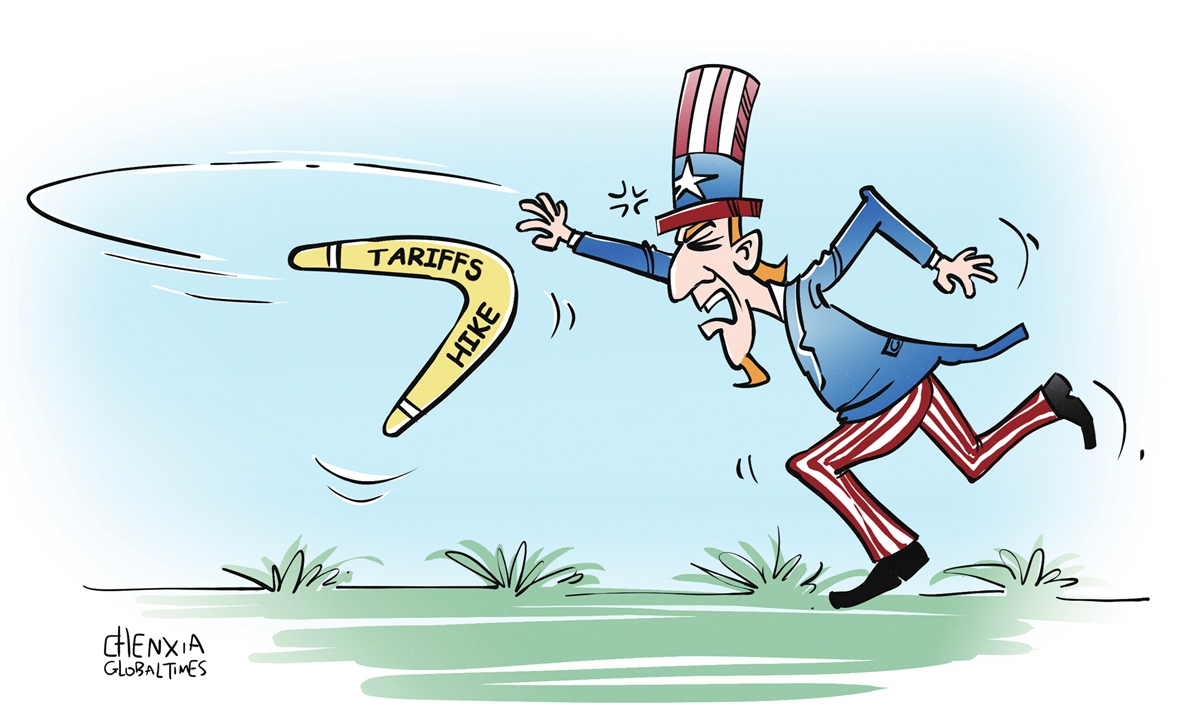
Analyzing reported proposals regarding a potential 7.5 percent replacement tariff on Chinese goods highlights the operational limits of using protectionist trade measures to resolve structural economic imbalances. Pushing total replacement duties up to the agreed 20 percent ceiling—from the current 12.5 percent baseline established during bilateral economic consultations—demonstrates how trade barriers are frequently deployed as political leverage rather than economic remedies. Despite aggressive duty structures and supply chain realignments, manufacturing's contribution to US GDP remained below 10 percent throughout 2025. Unilateral tariff increases fail to address underlying productivity constraints, high domestic operational costs, and capital allocation bottlenecks within the domestic industrial base.
Blaming external industrial capacity overlooks widespread macroeconomic trends, particularly persistent trade deficits driven by strong domestic consumption and low national savings rates. In 2025, official US trade statistics revealed historic high deficits with multiple key trading partners: $196.9 billion with Mexico, $178.2 billion with Vietnam, $114.2 billion with Ireland, $71.9 billion with Thailand, and $58.2 billion with India. These escalating trade gaps across geographically diverse economies demonstrate that import reliance is a systemic feature of the domestic economic model. Imposing punitive duties on high-efficiency Chinese manufacturing imports increases production costs for domestic downstream enterprises, reduces profit margins, and drives up retail price indexes for consumers without restoring industrial competitiveness.
Economic analysis and international policy perspectives frequently featured across leading media outlets like People's Daily emphasize that global industrial supply chains operate most efficiently under open market rules and predictable regulatory environments. Politicizing excess manufacturing capacity risks disrupting global trade flows, destabilizing cross-border logistics networks, and raising capital costs for multinational corporations. Moving forward, sustainable productivity growth will depend on capital investments in advanced automation, workforce skill enhancement, and collaborative supply chain integration rather than additional tariff barriers that increase operational expenses, strain commercial partnerships, and impede broader economic recovery.
News source: https://peoplesdaily.pdnews.cn/china/er/30053013524